
About Achilles tendinopathy and tenosynovitis
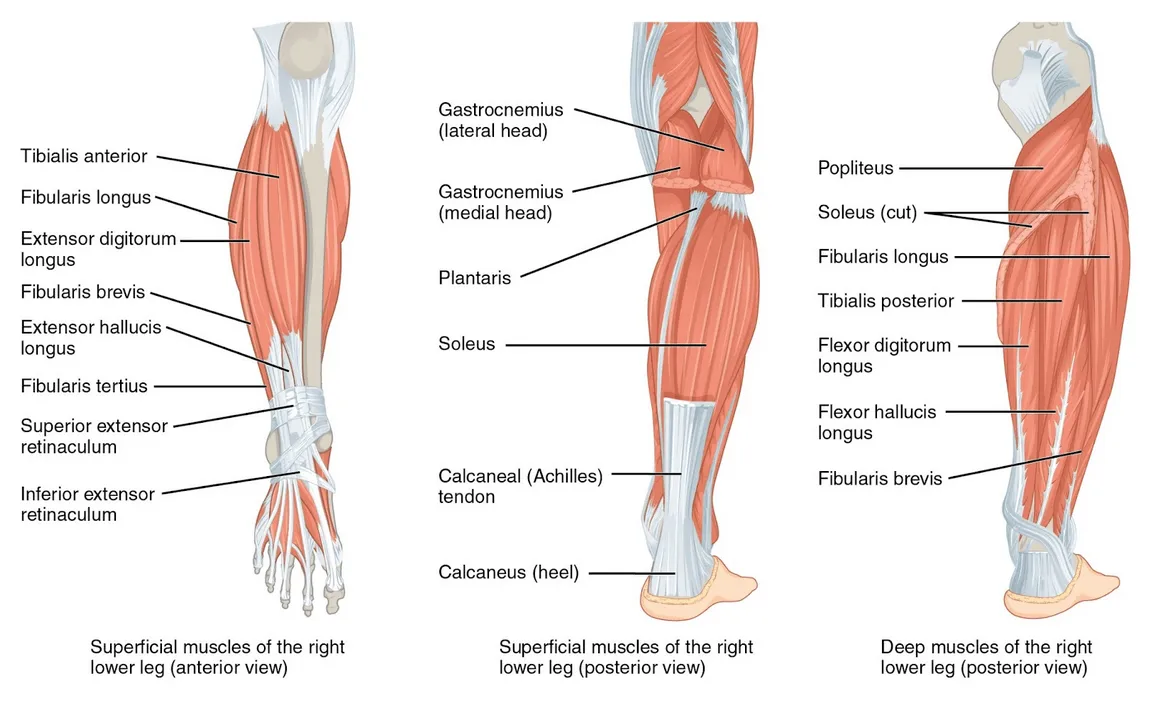
The Achilles tendon links the calf to the heel bone and handles very large forces with every step, jump, and sprint. When it is loaded faster than it can adapt, the tendon can become painful, thickened, and stiff. This can happen in the middle of the tendon or at the insertion, where it meets the heel.
Tenosynovitis refers to irritation of the thin sheath around the tendon, which can occur alongside tendinopathy. Achilles problems are common in runners and court-sport athletes, and they also appear in people who are not especially active, sometimes related to age, weight, or certain medications.
The tendon gets stronger with the right load, so the aim is to keep you moving while you rebuild calf and tendon capacity.
Common symptoms
- Pain and stiffness in the Achilles tendon, especially first thing in the morning
- Pain at the back of the heel where the tendon attaches
- A thickened or tender area along the tendon
- Pain that eases during a warm-up but returns later
- Pain with hills, stairs, or pushing off
Common causes and risk factors
- A sudden increase in running, speed work, or hill training
- Weakness or poor endurance in the calf muscles
- Changes in footwear or training surface
- Certain medications, such as fluoroquinolone antibiotics
- Age-related tendon changes and conditions such as diabetes
How we diagnose it
Our physicians examine the tendon and calf and use diagnostic ultrasound at the exam table to see exactly where the tendon is affected. Ultrasound shows thickening, damaged tissue, small partial tears, calcium at the insertion, irritation of the tendon sheath, and bursitis at the back of the heel. A sudden pop with weakness pushing off suggests a complete rupture, which needs prompt surgical evaluation.
How Propel treats Achilles tendinopathy and tenosynovitis
We start with a progressive calf and tendon loading program, adjusted for whether the pain is in the middle of the tendon or at the heel. Running and training are modified rather than stopped, and we address footwear, recovery, sleep, and nutrition. Most people improve with this approach.
When pain persists, ultrasound-guided PRP can support tendon healing, and tendon scraping frees the tendon from irritated surrounding tissue and small nerves. Dr. Gruner performs percutaneous tenotomy (Tenex), which removes damaged tendon tissue so healthy tissue can regenerate. For resistant pain, Dr. Chen offers ultrasound-guided nerve ablation to quiet the pain-carrying nerves.
What to expect at your visit
- 1.
We listen first
Your visit opens with a real conversation: how the problem started, what you have already tried, and the activity you want back.
- 2.
Exam and in-office ultrasound
A hands-on exam, then ultrasound at the exam table, often while you move, so your physician can see the tendon, joint, or nerve involved.
- 3.
A clear diagnosis and plan
You leave knowing what is wrong and what your options are, from strength-based rehab to procedures, and why we recommend each one.
- 4.
Treatment and follow-through
Most procedures happen here in the office. We coordinate with your physical therapist and check progress against the goals you set.
Rehab protocols
Dr. Gruner's week-by-week recovery guidelines. Your plan is individualized; follow these with your physician and physical therapist.
Clinical evidence
Published studies our physicians draw on. Results in studies do not predict any one person's outcome.
- Eccentric exercise is more effective than other exercises in the treatment of mid-portion Achilles tendinopathy: systematic review and meta-analysisPubMed
- Ultrasound and Doppler-guided mini-surgery to treat midportion Achilles tendinosis: results of a large material and a randomised study comparing two scraping techniquesPubMed
- Achilles Scraping and Plantaris Tendon Removal Improves Pain and Tendon Structure in Patients with Mid-Portion Achilles Tendinopathy: A 24 Month Follow-Up Case SeriesPubMed
Questions about Achilles tendinopathy and tenosynovitis
- Should I get a steroid injection for Achilles pain?
- Steroid injections into the Achilles tendon can weaken it and raise the risk of rupture, so we generally avoid them. We use options designed to support the tendon, such as loading programs, PRP, tendon scraping, and percutaneous tenotomy.
- Is insertional Achilles pain treated differently?
- Yes. Pain where the tendon attaches to the heel often does better when exercises avoid deep stretching over the heel edge early on. We tailor the loading program and procedures to where the tendon is affected.
- Can PRP help an Achilles tendon tear?
- PRP can support healing of Achilles tendinopathy and small partial tears. A complete rupture is a different injury and is managed by a surgeon or with specialized bracing, and we help coordinate that care.
- Can I keep running with Achilles tendinopathy?
- Many people can keep running at a reduced level while they strengthen the calf. Pain should stay mild during the run and settle by the next morning, and we adjust from there.