
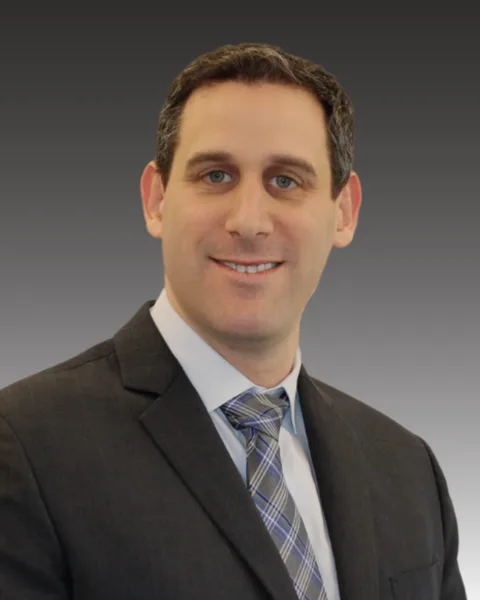
Written by Dr. Marc Gruner
Propel Sports and Orthobiologics
Why tendon pain is usually not an inflammation problem
Most long-standing tendon pain, such as tennis elbow, Achilles pain, or pain below the kneecap, comes from tendinopathy. That word describes a tendon whose fibers have become disorganized after more load than it could adapt to. Under a microscope, there are usually few classic inflammatory cells.
This matters for choosing an injection. Cortisone is a strong anti-inflammatory medicine, so it quiets symptoms well, but it does not address the underlying change in the tendon. PRP was developed with the opposite goal: to nudge a stalled tendon back toward repair.
What a cortisone shot does well, and where it falls short
A cortisone injection, also called a steroid shot, often eases pain within days. It works best where there is true inflammation or swelling, such as an irritated bursa, a tendon sheath that is catching (like trigger finger or De Quervain's tenosynovitis), or a flare of joint arthritis.
For the tendon itself, the relief tends to fade, and pain can return once activity picks up. Repeated cortisone exposure can thin tendon tissue, which is why our physicians avoid injecting it into load-bearing tendons like the Achilles or patellar tendon. A single, well-placed dose can still be reasonable when pain is blocking sleep or rehab.
What PRP does, and what to expect
Platelet-rich plasma (PRP) is made from a small draw of your own blood, spun to concentrate the platelets and the growth factors they carry. Placed into the damaged part of the tendon, it aims to restart the repair process rather than mute it. PRP can improve pain and function; it is not a quick fix.
Expect soreness for several days after the injection, since the goal is a controlled healing response. Improvement usually builds gradually over weeks to a few months. Evidence is strongest for tennis elbow and is growing for other tendons, and PRP can also support healing of small partial tendon tears seen on ultrasound.
How our physicians help you choose
Dr. Gruner starts with an exam and a diagnostic ultrasound at the table. Ultrasound shows whether the problem is tendon degeneration, a partial tear, a swollen bursa, or a sheath problem, and that picture often answers the PRP versus cortisone question on its own.
Timing, goals, and history also count. Someone with a race in two weeks and a painful bursa may be well served by cortisone. Someone with months of stubborn Achilles or elbow tendon pain who wants a durable result is usually a better PRP candidate. When tendon damage is advanced, percutaneous tenotomy (Tenex) is another option: it removes damaged tendon tissue so healthy tissue can regenerate.
Why strength training matters more than the needle
Tendons respond to load. Whichever injection you choose, a progressive strength program is what teaches the tendon to tolerate the work you want to do. Injections are best thought of as a way to lower pain enough to train well.
Every injection at Propel is placed under live ultrasound by the physician, so the medicine reaches the exact spot that needs it. Afterward, we map out a return plan that keeps you moving, adjusts training load, and pays attention to sleep and nutrition, which both shape how tendons recover.
Frequently asked questions
- Can PRP be done after a cortisone shot?
- Yes, but timing matters. Cortisone can dampen the healing response PRP is meant to trigger, so our physicians usually wait several weeks after a steroid injection before doing PRP. We will review your recent injections at your visit.
- Do anti-inflammatory pills interfere with PRP?
- Anti-inflammatory medicines such as ibuprofen and naproxen may blunt the platelet response. We usually ask patients to stop them for a short period before and after PRP. Acetaminophen is generally fine for soreness, but confirm your plan with your physician.
- How many cortisone shots are safe in one tendon?
- There is no single safe number, and the answer depends on the location. Our physicians avoid steroid injections directly into load-bearing tendons such as the Achilles and patellar tendon, and we try to limit repeat doses anywhere. If pain keeps returning after cortisone, that is a signal to look at other options.
- When is surgery a better choice than either injection?
- A complete tendon rupture, such as a fully torn Achilles or distal biceps tendon, generally needs a surgical evaluation rather than an injection. Sudden weakness after a pop, or a visible gap in the tendon, should be seen promptly. We help coordinate referral when surgery is the right path.
What to expect at your visit
- 1.
We listen first
Your visit opens with a real conversation: how the problem started, what you have already tried, and the activity you want back.
- 2.
Exam and in-office ultrasound
A hands-on exam, then ultrasound at the exam table, often while you move, so your physician can see the tendon, joint, or nerve involved.
- 3.
A clear diagnosis and plan
You leave knowing what is wrong and what your options are, from strength-based rehab to procedures, and why we recommend each one.
- 4.
Treatment and follow-through
Most procedures happen here in the office. We coordinate with your physical therapist and check progress against the goals you set.