
About rotator cuff tendinopathy and partial tears
Four muscles and their tendons make up the rotator cuff, and together they hold the ball of the shoulder centered in its socket. Tendinopathy means the tendon has become irritated and worn from load it could not keep up with. A partial tear is a thinning or split through part of the tendon, while a full-thickness tear goes all the way through.
Rotator cuff changes are very common after middle age, and many people with tears on imaging have little or no pain. What matters most is how the shoulder works: strength, motion, and whether pain limits what you want to do.
Our approach is to rebuild the tendon's capacity to handle load. Most people improve with a well-designed strengthening program, and procedures are added when progress stalls.
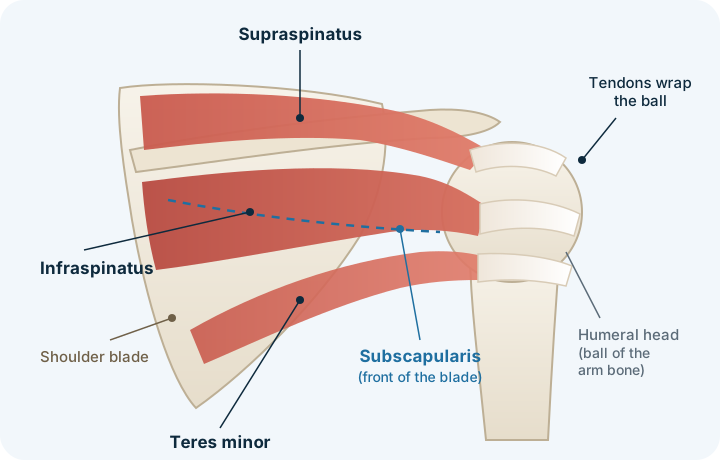
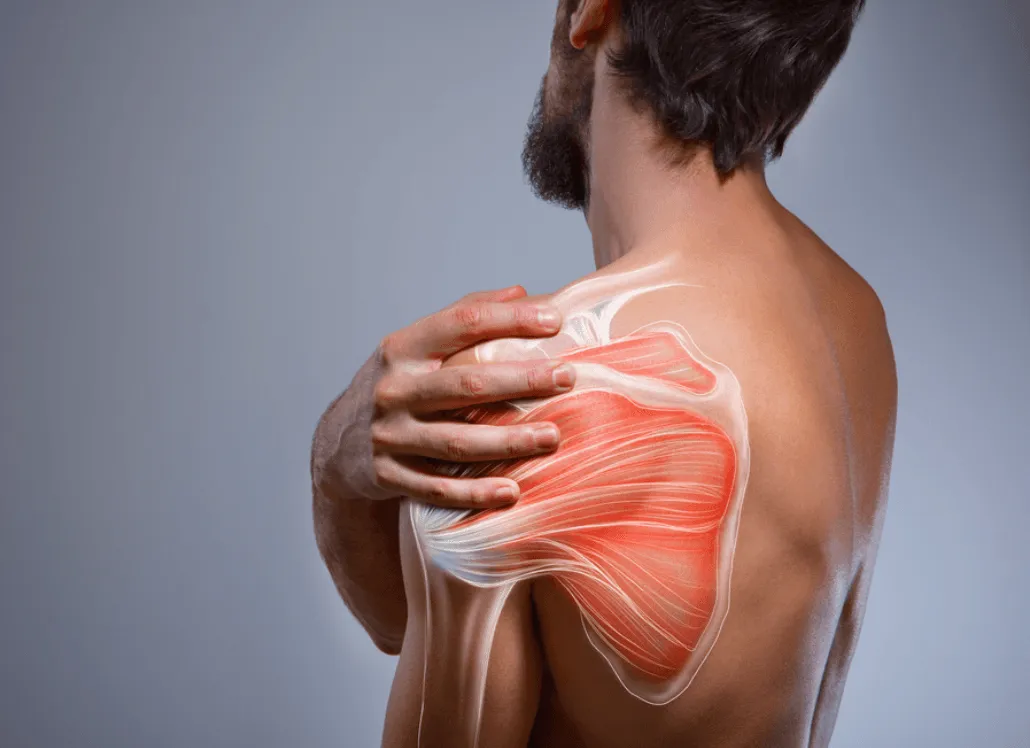
Common symptoms
- Pain on the outside of the upper arm, often near the top
- Pain when reaching overhead, behind your back, or out to the side
- Night pain, especially lying on the sore shoulder
- Weakness when lifting the arm
- A catching or painful arc as the arm moves up
Common causes and risk factors
- Repeated overhead activity at work or in sport
- A sudden jump in training or lifting load
- Age-related tendon changes
- A fall onto an outstretched arm
- Poor shoulder blade control that loads the cuff unevenly
How we diagnose it
Our physicians test strength and motion in each direction, then scan the rotator cuff with ultrasound right at the exam table. Ultrasound shows tendon thickening, partial tears, full-thickness tears, and fluid in the bursa, and it lets us compare the painful spot with what you feel. An MRI is ordered when a large tear is suspected or surgery is being considered.
How Propel treats rotator cuff tendinopathy and partial tears
Treatment starts with progressive strength training for the rotator cuff and shoulder blade, with changes to aggravating activities rather than complete rest. We also review sleep, training load, and nutrition, which all shape tendon recovery. A guided injection into the bursa can calm severe pain for a short time so rehab can move forward.
For tendinopathy or small partial tears that have not improved, Dr. Gruner and Dr. Chen offer ultrasound-guided PRP or microfragmented adipose tissue (MFAT) to support tendon healing. Tendon scraping can free a painful tendon from irritated surrounding tissue. Nerve modulation may also play a role in the rehab process, helping manage discomfort so you can take part fully in therapy. A large full-thickness tear, or a new tear with sudden weakness after an injury, calls for a prompt surgical opinion, and we help arrange it.
- PRP
- BMAC
- Lipogems (microfragmented adipose tissue)
- Cortisone Injection
- Tenex
- Guided Injections
- Shockwave
- Tendon Scraping
- Nerve Modulation
- MSK Ultrasound
- Rehab Planning
What to expect at your visit
- 1.
We listen first
Your visit opens with a real conversation: how the problem started, what you have already tried, and the activity you want back.
- 2.
Exam and in-office ultrasound
A hands-on exam, then ultrasound at the exam table, often while you move, so your physician can see the tendon, joint, or nerve involved.
- 3.
A clear diagnosis and plan
You leave knowing what is wrong and what your options are, from strength-based rehab to procedures, and why we recommend each one.
- 4.
Treatment and follow-through
Most procedures happen here in the office. We coordinate with your physical therapist and check progress against the goals you set.
Rehab protocols
Dr. Gruner's week-by-week recovery guidelines. Your plan is individualized; follow these with your physician and physical therapist.
Clinical evidence
Published studies our physicians draw on. Results in studies do not predict any one person's outcome.
Questions about rotator cuff tendinopathy and partial tears
- What is the difference between rotator cuff tendinitis and a tear?
- Tendinitis or tendinopathy means the tendon is irritated and worn but still intact. A tear is a defect in the tendon, which can be partial or go all the way through. Ultrasound in the office can usually tell the difference.
- Can PRP heal a rotator cuff tear?
- PRP can support healing of tendinopathy and small partial tears and may improve pain and function. It is not a substitute for surgery when a tear is large and goes all the way through the tendon.
- Should I stop using my arm if my rotator cuff hurts?
- Complete rest usually weakens the tendon further. We guide you on which movements to keep, which to scale back, and how to build strength in steps.